




PUBLICATIONS
- Coronary Angiography and Percutaneous Coronary Intervention After Transcatheter Aortic Valve Replacement. Yudi MB, Sharma SK, Tang GH, Kini A. J Am Coll Cardiol 2018 Mar 27;71(12):1360-1378.
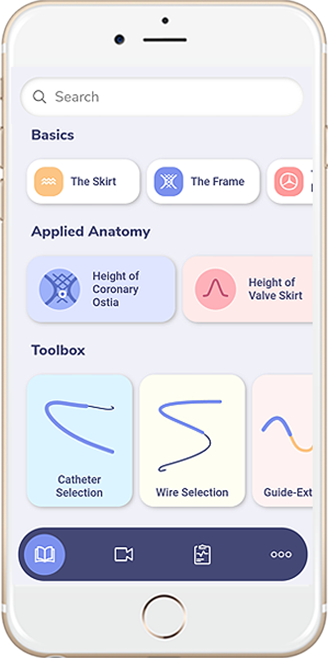
Coronary angiography and PCI in patients after transcatheter aortic valve replacement (TAVR) can be challenging due to anatomic relation of the coronary ostia and the prosthetic aortic valve. In this state-of-the-art review, we summarized the factors affecting coronary re-access after TAVR and provided a practical guide on how to manage these complex situations. The study’s algorithmic approach to coronary angiography and PCI post-TAVR created a foundation for the development of our educational mobile application, TAVRcathAID.
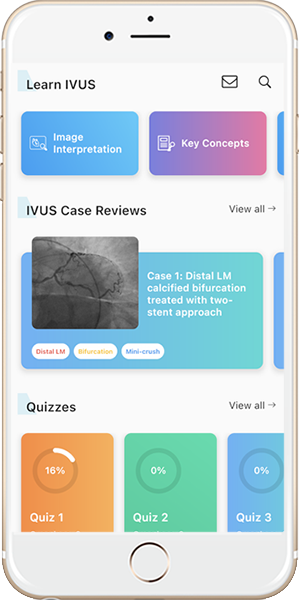
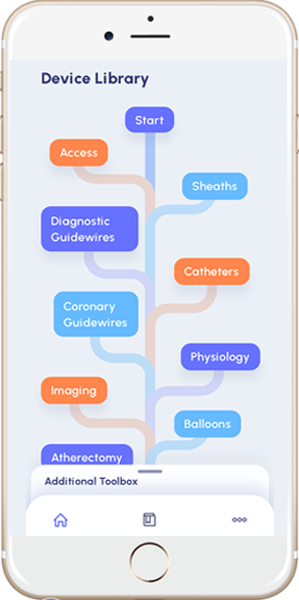
- Developing a Mobile Application for Global Cardiovascular Education. Bhatheja S, Fuster V, Chamaria S, Kakkar S, Zlatopolsky R, Rogers J, Otobo E, Atreja A, Sharma SK, Kini AS.. J Am Coll Cardiol. 2018 Nov 13;72(20):2518-2527.
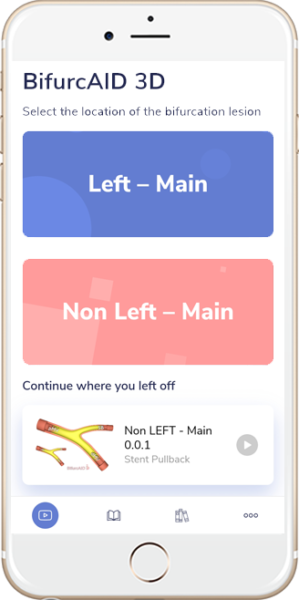
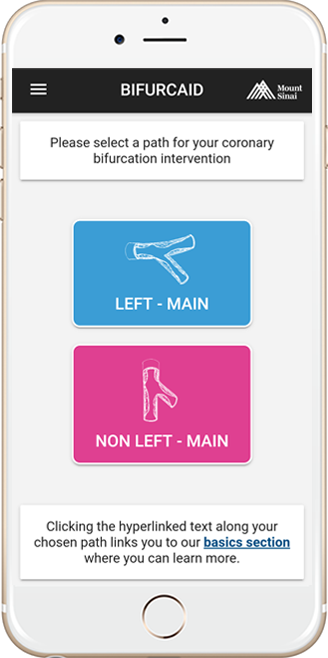
The aim of this study was to report our experience in developing our first mobile application, BifurcAID. BifurcAID is an educational tool providing step-by-step illustrated instructions on how to treat coronary bifurcation lesions. All steps from the app conceptualization to the launch and maintenance are describe in detail. In addition, we described several barriers encountered during the app development and reported survey data on the learnability and usability of the app.
- Treatment strategies for coronary bifurcation lesions made easy in the current era by introduction of the BIFURCAID app. Selan JC, Yoshimura T, Bhatheja S, Sharma SK, Kini AS. Future Cardiol. 2019 Jan;15(1):39-52.
Percutaneous revascularization of bifurcation lesions is technically challenging and results in lower success compared to non-bifurcation PCI. In the study, we summarized the procedural complexities of treating bifurcation lesions and described general considerations regarding the use of a provisional strategy vs a dedicated two-stent approach. Each technique is described in a step-by-step manner using BifurcAID’s illustrations and materials.
- Mobile application to optimize care for STEMI patients in a large healthcare system, STEMIcathAID. Rationale and design. Krishnamoorthy P, Vengrenyuk A, Wasielewski B, Barman N, Bander J, Sweeny J, … Kini A. European Heart Journal – Digital Health 2021 (in press).
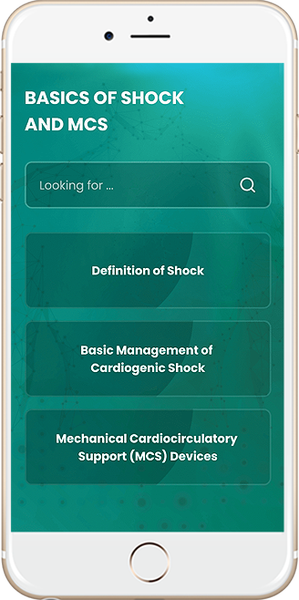
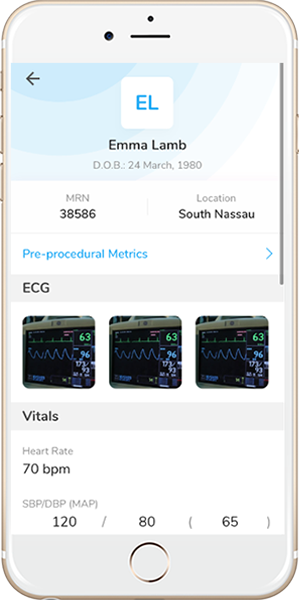
Delivering the best possible care to patients presenting with ST-segment elevation myocardial infarction (STEMI) involves multiple steps and teams. System delays in the care of STEMI patients have been associated with worse clinical outcomes leading to the development of the current paradigm “Time is Myocardium.” In this study we describe the development of a mobile application, STEMIcathAID, aiming to optimize the clinical workflows of STEMI care from the onset of the emergency through hospital discharge.
- Practical Manual of Interventional Cardiology. Annapoorna Kini, Samin K. Sharma – Springer Nature 2021
Practical Manual of Interventional Cardiology systematically describes the use of a range of simple and complex interventional cardiology procedures, and the challenges associated with utilizing these techniques. It is therefore ideal for use by practicing and trainee cardiologists seeking an easily accessible reference to apply in their everyday clinical practice.